

How Long Do Sutures Stay In? Complete Guide to Suture Removal Timing

Hoss Agina
Feb 21, 2026
Understanding how long do sutures stay in is crucial for proper wound healing and optimal cosmetic outcomes. The answer isn't one-size-fits-all—suture removal timing varies significantly based on wound location, healing factors, and individual patient needs.
Sutures typically remain in place for 3 to 21 days, depending on the specific body area being treated. Facial wounds require the shortest retention time at 3-5 days, while high-tension areas like palms and joints may need up to two weeks or longer.
TLDR: Key Suture Removal Points
- Facial sutures: Remove in 3-7 days to prevent permanent scarring
- Body and extremity sutures: Remove in 10-14 days for optimal healing balance
- High-tension areas: Keep sutures 12-21 days to prevent wound reopening
- Individual factors: Health conditions, age, and wound characteristics affect timing
Master Your Suturing Skills
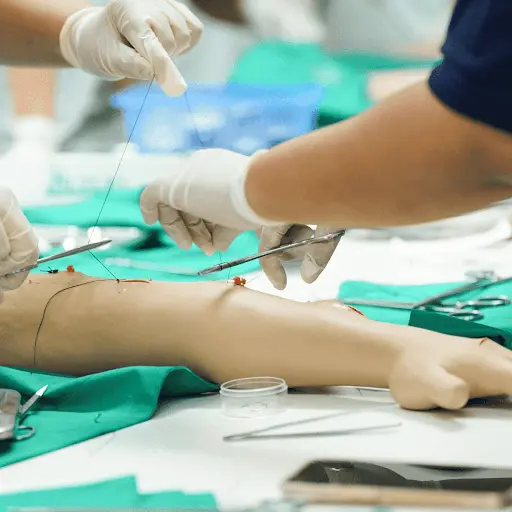
Understanding suture removal timing is just one aspect of comprehensive wound care knowledge. Whether you're a medical student, nursing student, or healthcare professional, mastering suturing techniques requires dedicated practice with quality materials.
Perfect your suturing skills with our All-in-One Suture Practice Kit, designed by chemical engineers to provide realistic practice experience. This comprehensive kit includes everything you need: professional-grade suture pad, complete toolset, various suture materials, and expert video guidance to help you master proper technique and timing decisions.
Standard Suture Removal Timeline by Body Location
The healing process varies dramatically across different body regions due to blood supply differences and mechanical stress levels. Here's what healthcare provider guidelines recommend:
Face and Neck
Facial stitches should be removed within 3-7 days due to excellent blood circulation in this area. The face heals rapidly, and leaving sutures longer increases permanent scarring risk. According to Seattle Children's Hospital, facial sutures should ideally come out at 4-5 days to minimize cosmetic complications.
Scalp
Scalp stitches stay in place for 7-10 days. The scalp's rich blood supply promotes faster healing, but the area experiences more tension than facial regions.
Arms, Legs, and Torso
Surgical incisions on extremities and the trunk typically require 10-14 days before stitches removed. These areas experience moderate tension and have adequate blood flow for healing properly.
High-Tension Areas
Palms, soles, and areas over joints need the longest retention time—12-21 days. These locations endure constant mechanical stress that can disrupt wound heals if sutures are removed too early.
Understanding Absorbable vs Non-Absorbable Sutures
Not all stitches require removal. Absorbable sutures and dissolvable stitches break down naturally in the body through enzymatic processes. These absorbable stitches eliminate the need for removal appointments but sacrifice some timing control.
Absorbable sutures dissolve over different timeframes:
- Plain catgut: 7-10 days
- Chromic catgut: 2-3 weeks
- Modern synthetic materials: 8-16 weeks
Non-absorbable sutures like nylon and polypropylene remain indefinitely until manually removed, allowing precise control over support duration. Most surgical procedures use non-absorbable materials for external skin closure.
For students learning suturing techniques, understanding these differences is essential. A comprehensive video course on suturing techniques can help master both absorbable and non-absorbable suture applications.
Factors That Affect Suture Timing
Several factors influence optimal removal timing beyond anatomical location:
Patient Health Status
- Diabetes: High blood glucose delays healing process
- Age: Elderly patients heal more slowly
- Immune status: Compromised immunity extends healing time
- Nutrition: Poor nutrition delays tissue repair
Wound Characteristics
- Infection presence may require extended retention
- Tissue tension affects healing timeline
- Surgical procedures complexity influences recovery
- Deep layer closure quality impacts superficial suture needs
Post-Operative Care
- Following activity restrictions promotes normal healing
- Keeping wounds clean and dry optimizes recovery
- Specific instructions compliance affects outcomes
The research published by the Royal College of Surgeons demonstrates that surgeon technique and timing decisions significantly impact final scar appearance.
Signs Your Wound Is Ready for Suture Removal
Healthcare provider assessment should confirm these healing indicators before removing sutures:
- Healing ridge: Firm tissue under the suture line
- Normal wound edge approximation without gaps
- Absence of active bleeding or drainage
- No signs of infection (excessive redness, swelling, pus)
- Body heals appropriately for the patient's age and health
According to the NCBI wound healing guide, wounds achieve only 80% of original tissue strength even after complete healing, emphasizing the importance of proper timing.
Consequences of Improper Timing
Removing Sutures Too Early
- Wound dehiscence (reopening)
- Increased infection risk
- Widened scarring
- Pain and complications requiring emergency care
Leaving Sutures Too Long
- Permanent "railroad track" scarring
- Stitches and staples becoming embedded in skin
- Higher risk of infection
- Difficult, painful removal process
The Houston Methodist medical system emphasizes that timing represents a critical balance between adequate support and cosmetic outcomes.
Post-Removal Care Guidelines
After stitches removed, wound care continues:
Immediate Post-Removal (First 48 Hours)
- Apply steri strips for continued support
- Keep area clean and dry
- Avoid submersion in water
- Take care to prevent infection
First Two Weeks
- Avoid soaking in baths, pools, or hot tubs
- Apply thin layer of antibiotic ointment if recommended
- Watch for little redness or swelling (normal healing signs)
- Avoid sports and strenuous activity
Long-Term Healing
- Weeks of continued tissue remodeling
- Body continues strengthening the wound site
- Final scarring appearance develops over months
- Follow up care as directed by doctor
Medical students and healthcare professionals benefit from hands-on practice with wound closure techniques. Choosing the right suture practice kit ensures proper skill development for real-world applications.
When to Contact Your Doctor
Seek immediate medical attention if you experience:
- Wound re-open or separation
- Shows signs of infection (fever, pus, red streaking)
- Excessive pain that gets worse
- Heavy bleeding that won't stop bleeding
- Covered area becomes increasingly swollen or tender
The American Academy of Family Physicians provides evidence-based guidelines for recognizing complications requiring professional intervention.
FAQ
Frequently Asked Questions
Dissolvable stitches and absorbable stitches dissolve at different rates depending on the material used. Tissue adhesive and modern synthetic absorbable sutures typically dissolve over 8-16 weeks, while traditional materials like plain catgut dissolve within 7-10 days. The body heals around these materials as they break down naturally, eliminating the need for removal appointments.
Several alternatives exist for close wounds besides traditional stitches or staples. Skin glue (tissue adhesive) works well for small, clean cuts and dissolves naturally. Butterfly bandage strips can hold minor wounds together. Steri strips provide external support similar to tape. Staples offer quick closure for longer surgical incisions. Your doctor will recommend the best option based on wound characteristics and location.
Normal healing properly shows signs of gradual improvement over time. Expect some little redness and swelling initially, which should decrease daily. The wound should remain intact without gaps or separation. Very thin layer of clear drainage is normal initially, but pus or increasing pain indicates problems. About two weeks after surgery, most wounds show significant healing progress.
Different types of stitches have varying removal schedules. Non-absorbable sutures like nylon require manual removal according to anatomical location guidelines. Absorbable stitches dissolve naturally and don't need removal. Called sutures by medical professionals, these materials serve different purposes—some provide temporary support while others offer permanent reinforcement for deep tissue layers.
Getting doctor's approval before resuming normal activities ensures your wound can handle increased stress. Avoid sports and strenuous activities until cleared because tissue needs time stitches to develop adequate strength. Physical activity too early can cause the wound to re open, leading to complications. Your healthcare provider will give specific instructions based on your individual healing process and injury type.
After removing sutures, continue gentle skin care to optimize healing. Apply a thin layer of recommended ointment to keep the area moist. Avoid soaking the wound in water for several few weeks. The covered area should be protected from sun exposure to prevent infection and minimize scarring. Follow up care appointments allow your surgeon to monitor progress and address concerns during the body heals completely over the following weeks.